
Ultimate South America Adventure
About the trip
A Journey Across South America
From the Andes to the Atlantic coast, this two-week journey reveals the diversity of South America through some of its most iconic destinations. Your itinerary connects Peru, Argentina, and Brazil, offering a balanced mix of culture, nature, and city life.
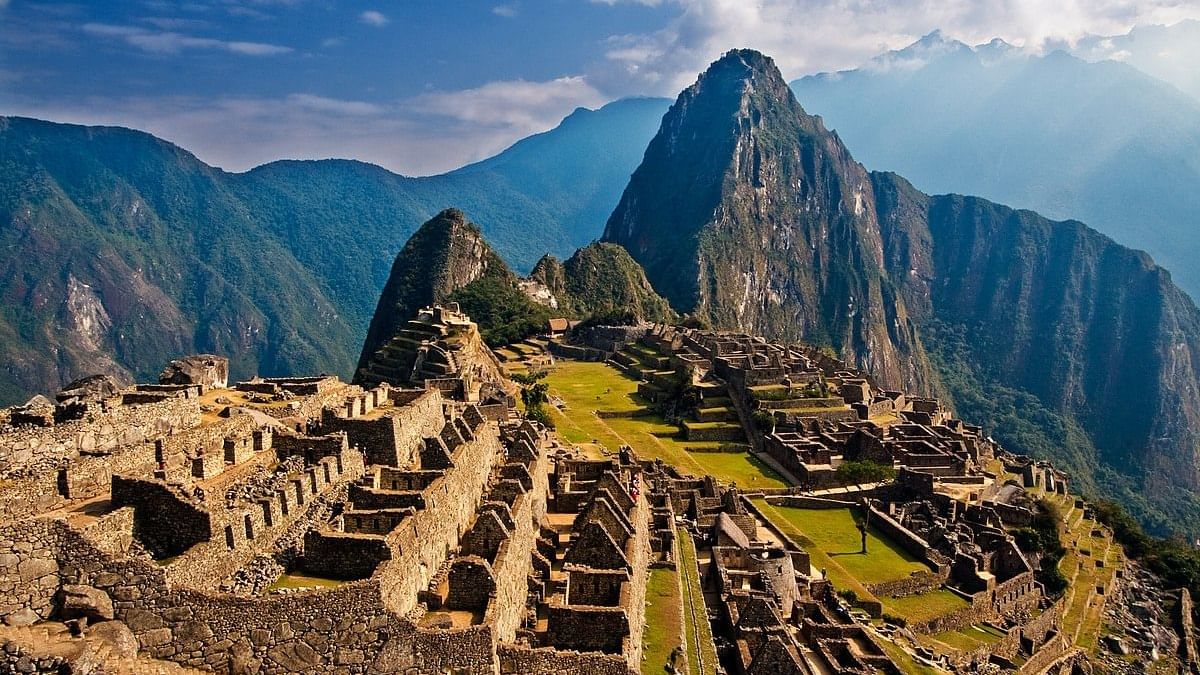
Along the way, you will explore Machu Picchu and its ancient Inca legacy, experience the rhythm and character of Buenos Aires, stand before the vast Iguazú Falls, and unwind in the vibrant setting of Rio de Janeiro. Each stop brings a different perspective, creating a journey that feels varied yet seamlessly connected.
Designed to make the most of your time, this itinerary allows you to experience key highlights without rushing, combining guided visits with moments to explore at your own pace.
Welcome to the Sacred Valley
Your South American adventure begins in Peru, in the heart of the Sacred Valley. After arriving in Cuzco, you will be transferred to your hotel, leaving the afternoon open to unwind and take in the first impressions of this Andean landscape.
Say Hueque Tip
A valley shaped by the Incas
The Sacred Valley was one of the most valued regions for the Incas. Its fertile soils and natural irrigation from surrounding rivers made it a key agricultural center that still thrives today.
Exploring the Sacred Valley
Today, you will continue discovering the Sacred Valley with a visit to Pisac, known for its traditional craft market. As you wander through its stalls, you will find a variety of handmade pieces, from textiles to ceramics and jewelry, reflecting the region’s cultural heritage.
The journey continues to the archaeological site of Pisac, where you can observe the impressive agricultural terraces carved into the mountainside by the Incas. Later, you will head to Ollantaytambo, home to one of the most remarkable fortresses in the valley. There, you will explore its stone structures, terraces, and pathways, while learning about its role as a strategic, religious, and royal site.
Say Hueque Tip
A living Inca town
Ollantaytambo is one of the few places where the original Inca urban layout is still in use. Walking through its streets offers a glimpse into how life was organized during Inca times, with water channels and stone foundations that remain unchanged.
Journey to Machu Picchu
A Flexible Day in Aguas Calientes
Today is yours to enjoy at your own pace. You may choose to return to Machu Picchu for a second visit and continue exploring the citadel from a different perspective. For those looking for a more active experience, it is possible to hike Wayna Picchu (subject to availability), the peak that rises above the ruins. The ascent takes around an hour and leads to unique viewpoints, along with the lesser-known Temple of the Moon, hidden among the mountainside.
If you prefer a slower rhythm, Aguas Calientes offers a relaxed setting to wander, with quiet streets, small cafés, and scenic spots by the river.
Return to Cuzco
In the afternoon, you will head to the train station and travel back to Cuzco. Upon arrival, you will make your way to your hotel, where you can settle in and rest after your time in the Sacred Valley and Machu Picchu.
Say Hueque Tip
A town to explore at your own pace
Aguas Calientes is more than just a gateway to Machu Picchu. Its local markets and central square offer a glimpse into daily life, where you can browse handicrafts, try regional flavors, or simply enjoy a quiet moment surrounded by the mountains.
Discovering the Imperial City
This afternoon, you will be picked up from your hotel to begin exploring Cuzco, a city where Inca and colonial history come together. Your first stop will be Coricancha, the former Temple of the Sun, once one of the most important religious centers of the Inca Empire.
You will then continue to the Main Square to visit the Cathedral, a landmark of Spanish colonial architecture that reflects the city’s transformation after the conquest. Walking through these sites offers a clear sense of how different periods shaped Cuzco’s identity.
The journey continues beyond the city center to Sacsayhuamán, an impressive fortress built with massive stone blocks that still puzzle historians today. From there, you will visit nearby archaeological sites such as Qenqo, believed to have been used for ceremonial purposes, and Puka Pukara, known as the “red fortress,” which once served as a strategic checkpoint.
After this immersion into Cuzco’s history and landscapes, you will return to your hotel.
Say Hueque Tip
A city built on layers of history
Cuzco, a UNESCO World Heritage Site, is known for its blend of Inca foundations and colonial architecture. Many buildings still preserve original stonework, offering a unique glimpse into the city’s past and its lasting cultural heritage.
From Cuzco to Buenos Aires
Today, you will be transferred from your hotel in Cuzco to the airport for your flight to Buenos Aires, via Lima. This marks the next stage of your journey, moving from the Andes to one of South America’s most vibrant capitals.
Welcome to Buenos Aires
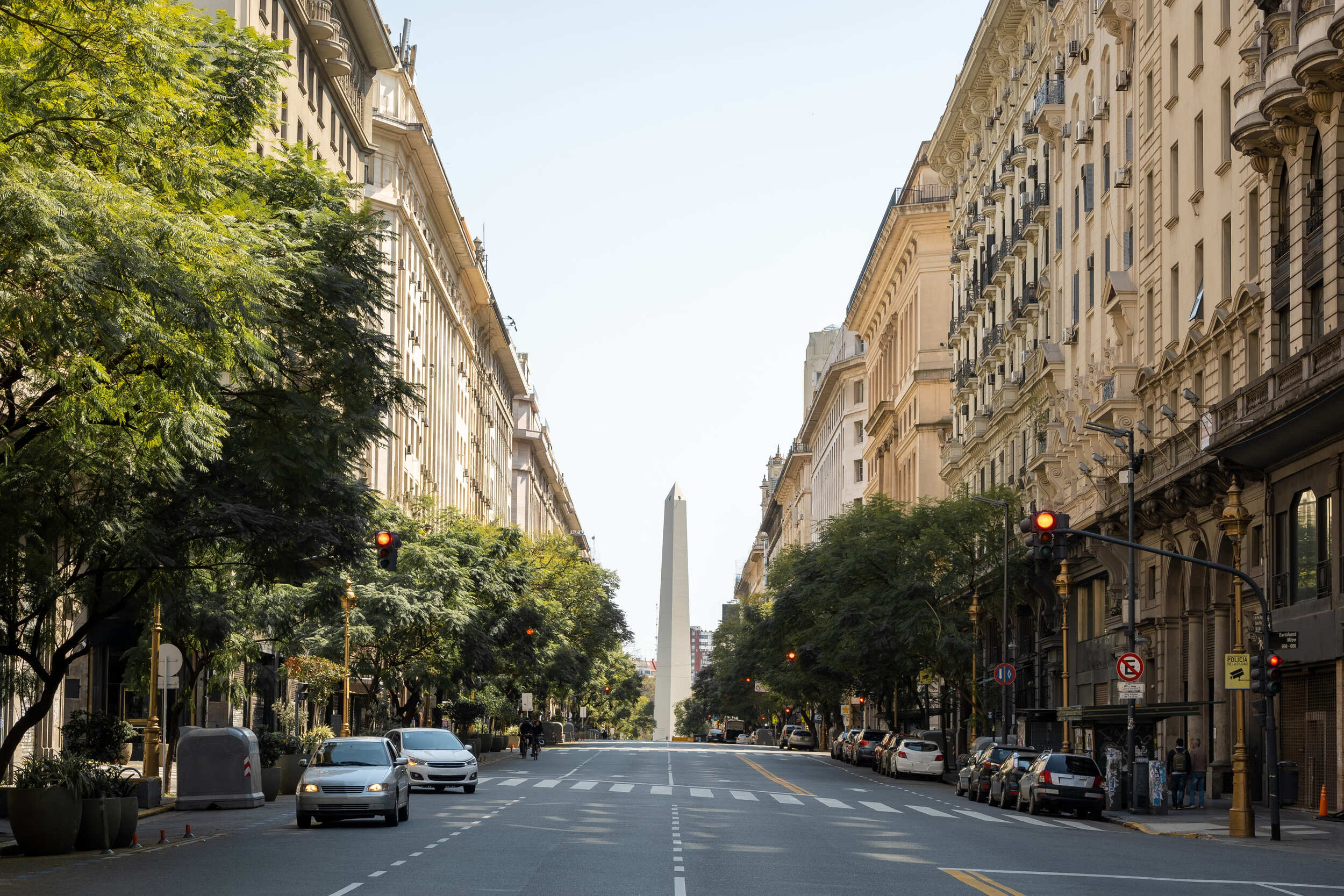
Upon arrival, a transfer will take you to your hotel in the city. The rest of the day will be free to begin exploring Buenos Aires at your own pace. Known for its lively atmosphere and diverse architecture, the city blends European influences with a strong local identity.
As you walk through its neighborhoods, you will notice a mix of styles, cultures, and rhythms that define daily life here. It is a place that invites you to slow down, observe, and enjoy its unique character.
Say Hueque Tip
Your first taste of the city
For your first hours in Buenos Aires, take time to wander through its streets, stop at a local café, or explore nearby markets. It is a simple way to start connecting with the city’s energy and its welcoming spirit.
Exploring Buenos Aires
This morning, you will be picked up from your hotel to discover the highlights of Buenos Aires on a half-day city tour. The journey begins at Plaza de Mayo, the historical and political heart of the city, where you will see the iconic Government House.
From there, you will continue to San Telmo, known for its cobblestone streets and traditional character, before heading to La Boca, where colorful houses and street art reflect the city’s artistic spirit. The walk along Caminito offers a lively atmosphere closely tied to tango culture.
The tour then moves to Recoleta, one of the most elegant neighborhoods in Buenos Aires, where grand architecture and wide avenues reveal the city’s European influence.
An Evening of Tango
In the evening, you will be picked up again to experience one of Argentina’s most distinctive cultural expressions. Tango is more than a dance. It reflects the country’s history, shaped by immigration, music, and emotion.
During the show, you will witness a live performance that brings together music, movement, and storytelling in an intimate setting. The experience is complemented by dinner, featuring a selection of Argentine and international dishes, along with local wines.
After the show, you will return to your hotel, closing a day that blends the city’s history with one of its most iconic traditions.
Say Hueque Tip
Where locals go for tango
Beyond stage performances, tango continues to live in traditional dance halls known as milongas. Places like La Viruta or Salón Canning are popular spots where locals gather, whether to learn, practice, or simply enjoy the atmosphere.
From Buenos Aires to Iguazú
Exploring the Falls
A Different View of the Falls
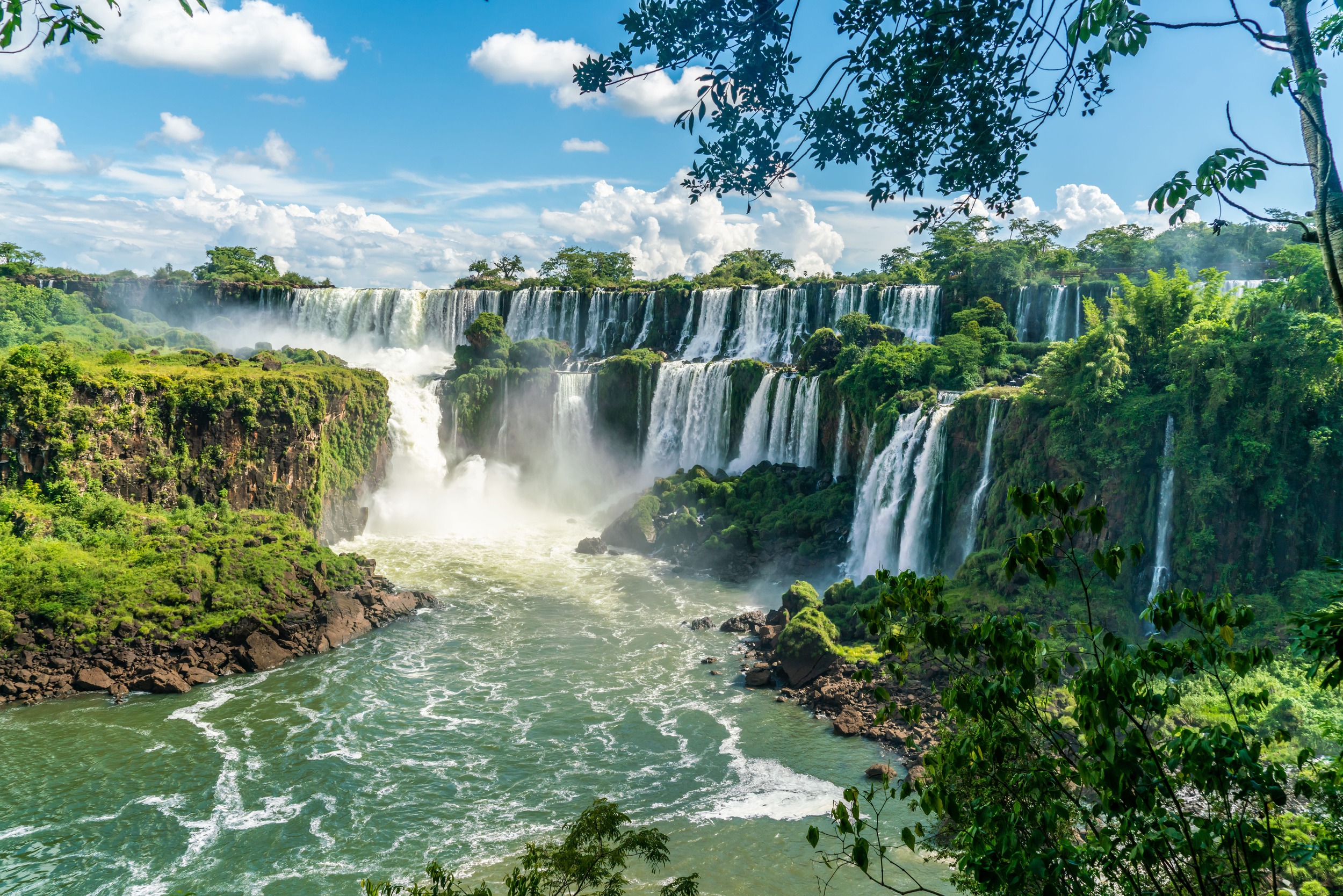
After breakfast, you will visit Iguazú National Park on the Brazilian side. Today you will cross the border, so remember to bring your passport. While Argentina holds most of the waterfalls, Brazil offers sweeping panoramic views that allow you to fully appreciate their scale.
Walking along the trails and boardwalks, you will get closer to the falls and experience the constant mist rising from below. One of the highlights is the walkway over the Salto Santa María, where it feels as if you are standing above the water itself. From this side, you will also enjoy a unique perspective of the Devil’s Throat, standing in Brazil while looking out toward Argentina.
After time to explore, there will be a short break before returning to your hotel.
From Iguazú to Rio de Janeiro
In the afternoon, you will be transferred to the airport for your flight to Rio de Janeiro, continuing your journey into Brazil.
Welcome to Rio
Upon arrival, a transfer will take you to your hotel. The rest of the day will be free to begin discovering Rio at your own pace. Set between mountains and the ocean, the city offers a vibrant mix of landscapes, culture, and everyday life.
Known for its music, cuisine, and relaxed atmosphere, Rio invites you to explore beyond its beaches and take in the rhythm of the city from the very first moment.
Say Hueque Tip
Where to feel Rio’s energy
For a first taste of the city, head to the Lapa neighborhood. Its lively streets, historic arches, and colorful Selarón Steps make it a great place to experience local culture, music, and everyday life in Rio.
Views Over Rio and Beyond
Today, you will explore some of Rio de Janeiro’s most iconic landmarks. After breakfast, you will be picked up from your hotel and head toward Corcovado Hill, home to the world-famous Christ the Redeemer statue.
The journey takes you through the Cosme Velho neighborhood and into the lush greenery of Tijuca National Park. From there, you will board a traditional cog train that climbs through dense forest, gradually revealing sweeping views of the city.
At the summit, Christ the Redeemer stands overlooking Rio, offering panoramic views that stretch from Guanabara Bay to the Atlantic Ocean. From this vantage point, you will also spot landmarks such as Sugarloaf Mountain, the southern beaches, and the Rodrigo de Freitas Lagoon.
On the way back down, you will continue to Santa Teresa, a neighborhood known for its artistic atmosphere, historic streets, and local character. Walking through this area offers a different perspective of the city, shaped by culture and tradition.
After the excursion, you will return to your hotel.
Say Hueque Tip
Where to enjoy Rio’s coastline
For the rest of the day, consider visiting some of Rio’s beaches. Copacabana is lively and social, while Praia Vermelha offers a quieter setting, ideal for a relaxed walk or a different view of the city’s natural surroundings.
A Different Perspective of the City
Today, you will discover another side of Rio de Janeiro. After being picked up from your hotel, you will begin a half-day tour through the city’s downtown area, passing by landmarks such as the Sambadrome and the Metropolitan Cathedral.
As the tour continues, you will pass through Cinelândia Square, surrounded by historic buildings like the Municipal Theater, the National Library, and the Museum of Fine Arts. The route then follows Flamengo Park along the waterfront, leading toward the Urca neighborhood.
From there, you will ascend Sugarloaf Mountain by cable car. The first ride takes you to Urca Hill, where you will already enjoy wide views over Guanabara Bay and the surrounding landscape. A second cable car then continues to the summit, offering an even broader panorama that captures the contrast between mountains, sea, and city.
After taking in the views, you will return to your hotel.
Say Hueque Tip
Best time for the views
If possible, plan your visit toward the late afternoon. The changing light over the bay and the city creates a memorable setting, especially as the sun begins to set behind the mountains.
Farewell to South America
Included
- 2-night accommodation in Cuzco
- 2-night accommodation in Sacred Valley
- 1-night accommodation in Aguas Calientes
- 2-night accommodation in Buenos Aires
- 2-night accommodation in Iguazú
- 3-night accommodation in Rio de Janeiro
- Daily breakfast.
- Meals according to the itinerary: lunch on day 3; dinner on day 7
- Tours and transfers are mentioned in the itinerary.
- Tickets to: Corcovado and Sugar Loaf, Qoricancha Temple, Monastery of Santo Domingo, Cusco Cathedral in Cusco, Moray archaeological remains, Maras salt deposits, Awana Kancha, Pisac Market, Ollantaytambo Fortress in the Sacred Valley, and Machu Picchu.
- Bilingual guide (English / Spanish)
Not Included
- International or domestic flights
- National Park entrance fees
- Travel / Medical Insurance – Follow this link to get a free quote (only available for U.S. Travelers)
- Brazilian VISA: Citizens of some nationalities are required to present a tourist VISA to enter Brazil. Travelers from the United States, Canada, and Australia will need a tourist visa to enter the country. Please check the requirements on your country’s consulate website. If you need any other information, check this link
- Iguazú Eco Fee: This is a mandatory tax that you have to pay once you get to your hotel in Iguazú. It’s about $5 usd per guest, per night, and it varies according to your hotel category. Only cash is accepted