
Expedition Cruise to Antarctica, South Georgia & Islas Malvinas
About the trip
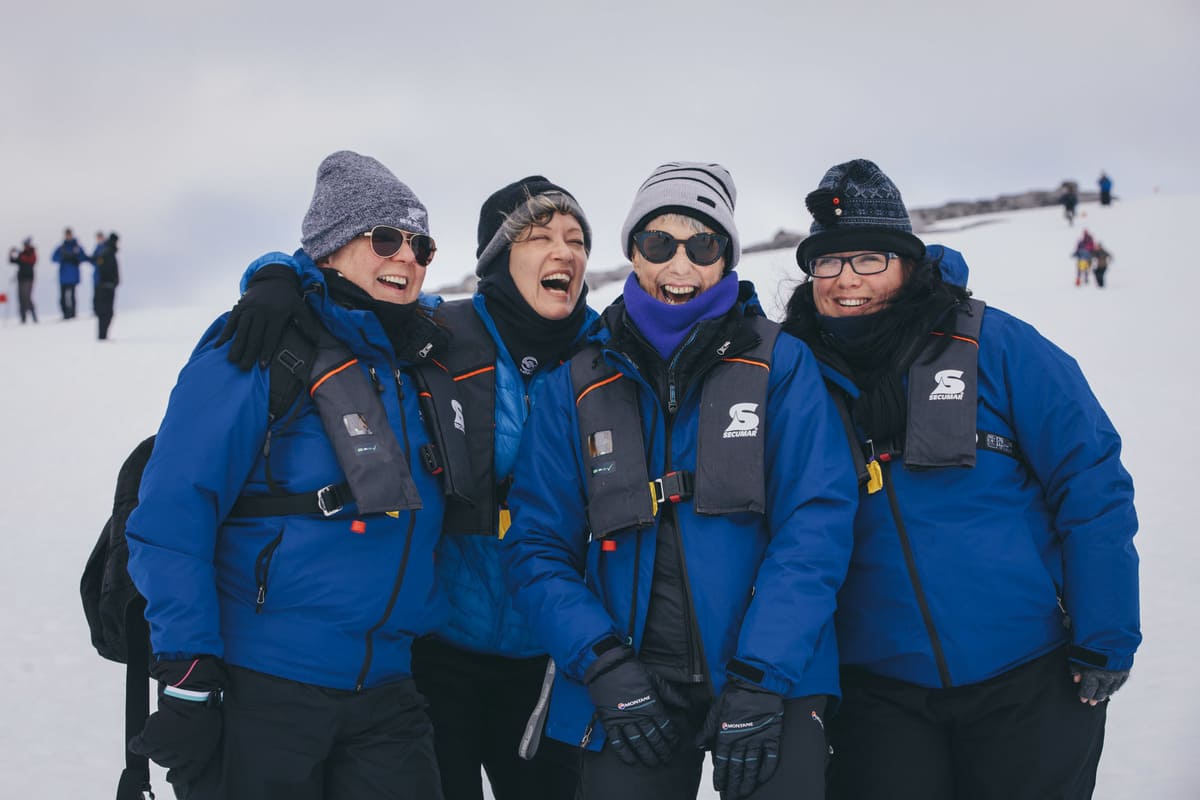
Sail from Ushuaia to Antarctica aboard an expedition vessel, discovering some of the most remote and wildlife-rich regions of the South Atlantic. Along the way, visit South Georgia and the Falkland Islands, where secluded bays and rugged coastlines are home to abundant marine life.
Observe large colonies of king, gentoo, and Adélie penguins, along with fur seals, elephant seals, and Weddell seals in their natural habitat. As you continue south, reach the Antarctic Peninsula to explore its dramatic landscapes, icy channels, and remote shores.
Best time to travel: November to March
Ushuaia
At Sea
Islas Malvinas
Islas Malvinas
Visit to the Capital
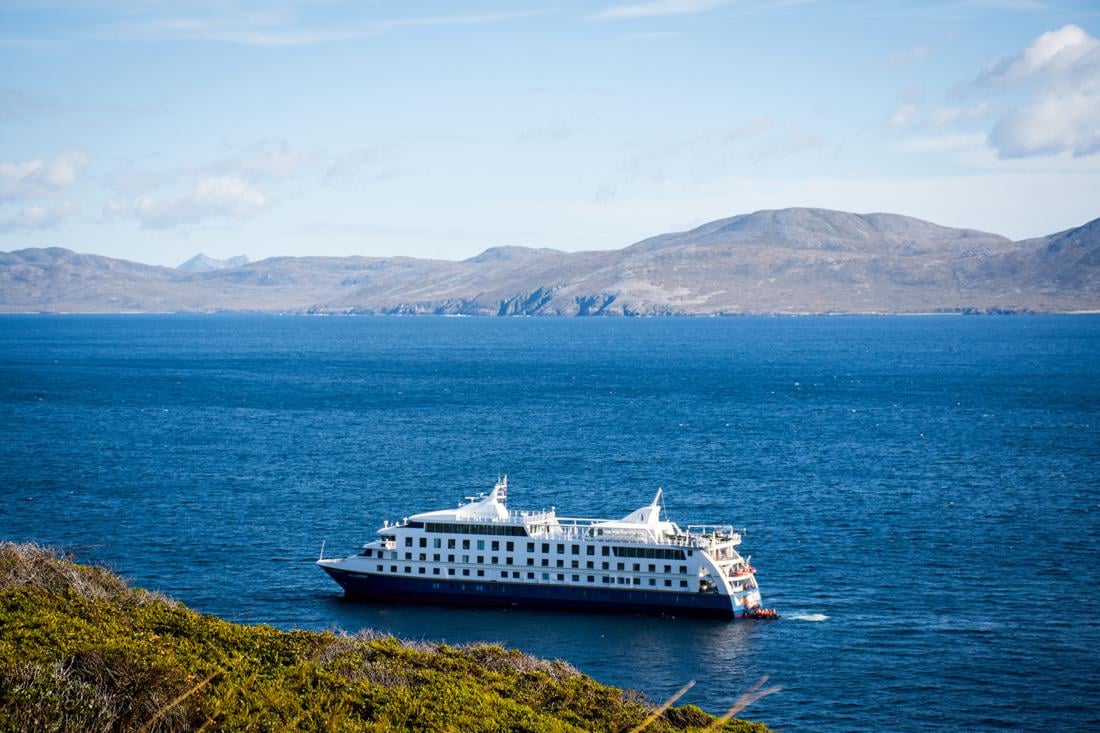
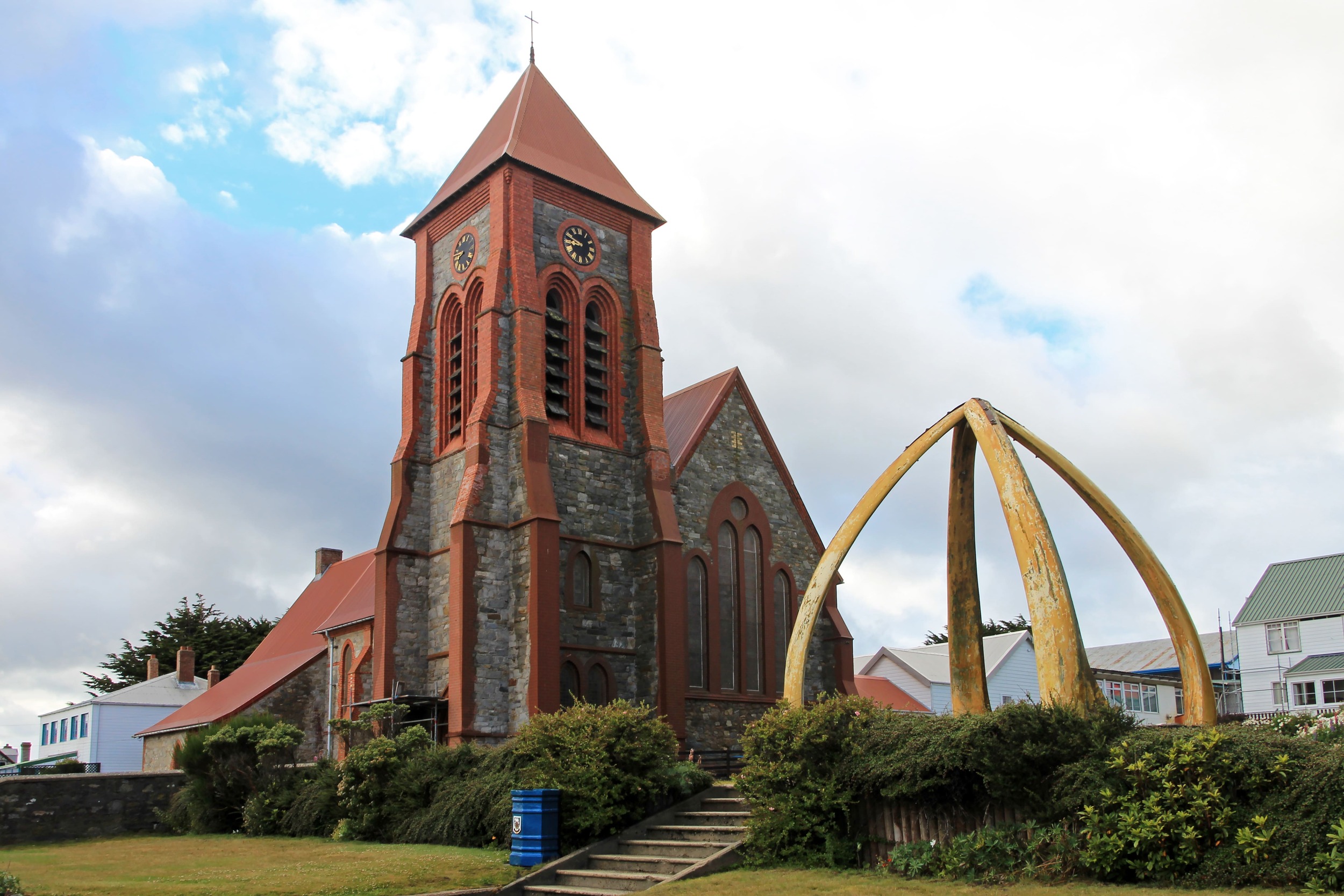
Today, you will arrive in Port Stanley, the capital of the Falkland Islands. This small harbor town reflects the maritime history of the archipelago and offers a glimpse into local life.
Exploring the Town
During your visit, you can walk through its streets, observing Victorian-style buildings, colorful houses, and quiet gardens. The town’s connection to the sea is evident throughout, from its harbor to its long-standing nautical traditions.
You may also choose to visit the local museum to learn more about the islands’ history and heritage before returning to the vessel.
At Sea
Navigation to South Georgia
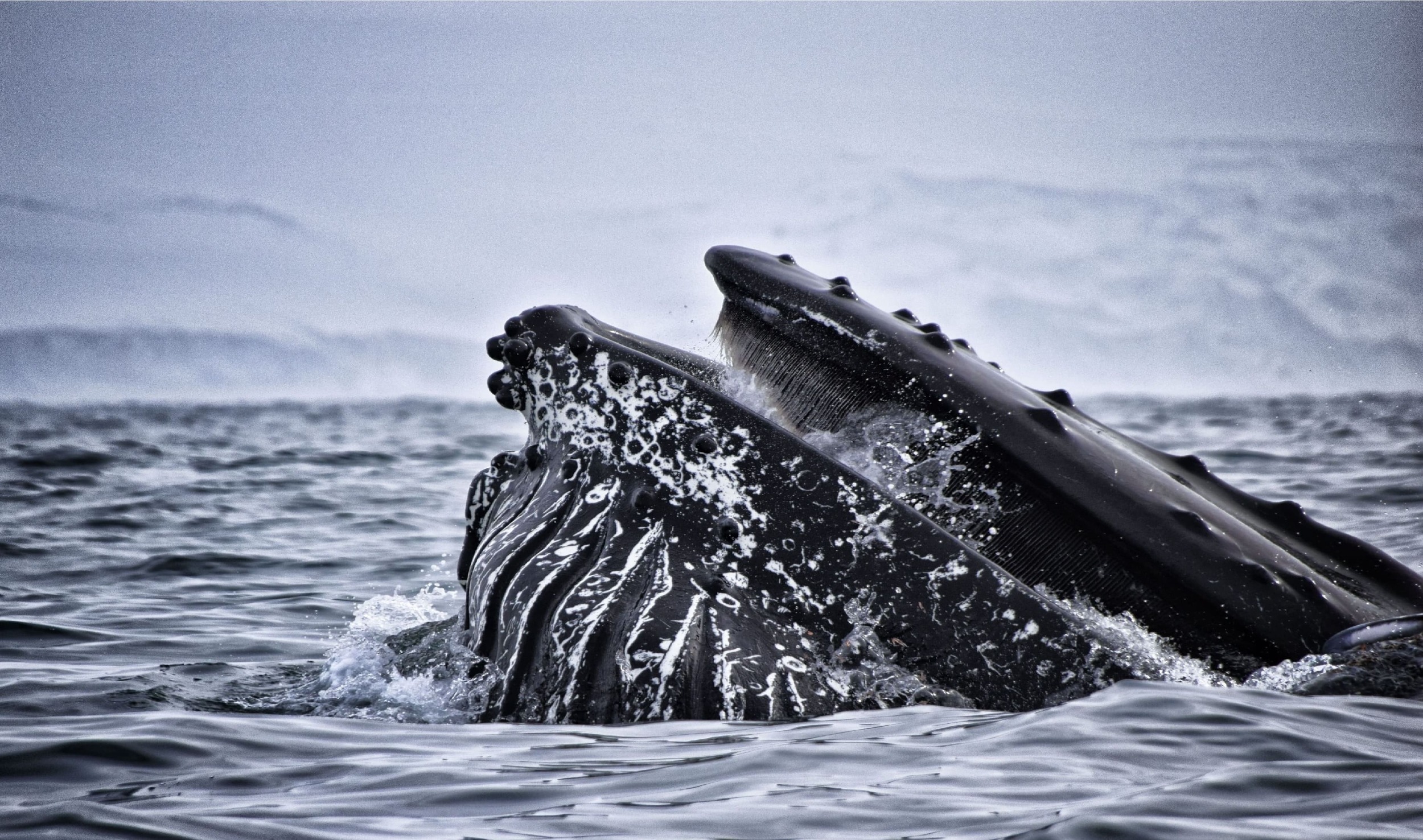
Over the next couple of days, you will sail across open waters toward South Georgia Island. This stretch of the journey takes you through the Antarctic Convergence, a natural boundary where colder Antarctic waters meet the warmer currents of the Atlantic.
Life Onboard
These days at sea offer time to rest and prepare for the next stage of the expedition. You can attend lectures and briefings led by the expedition team, learning about the wildlife, history, and landscapes you will soon encounter.
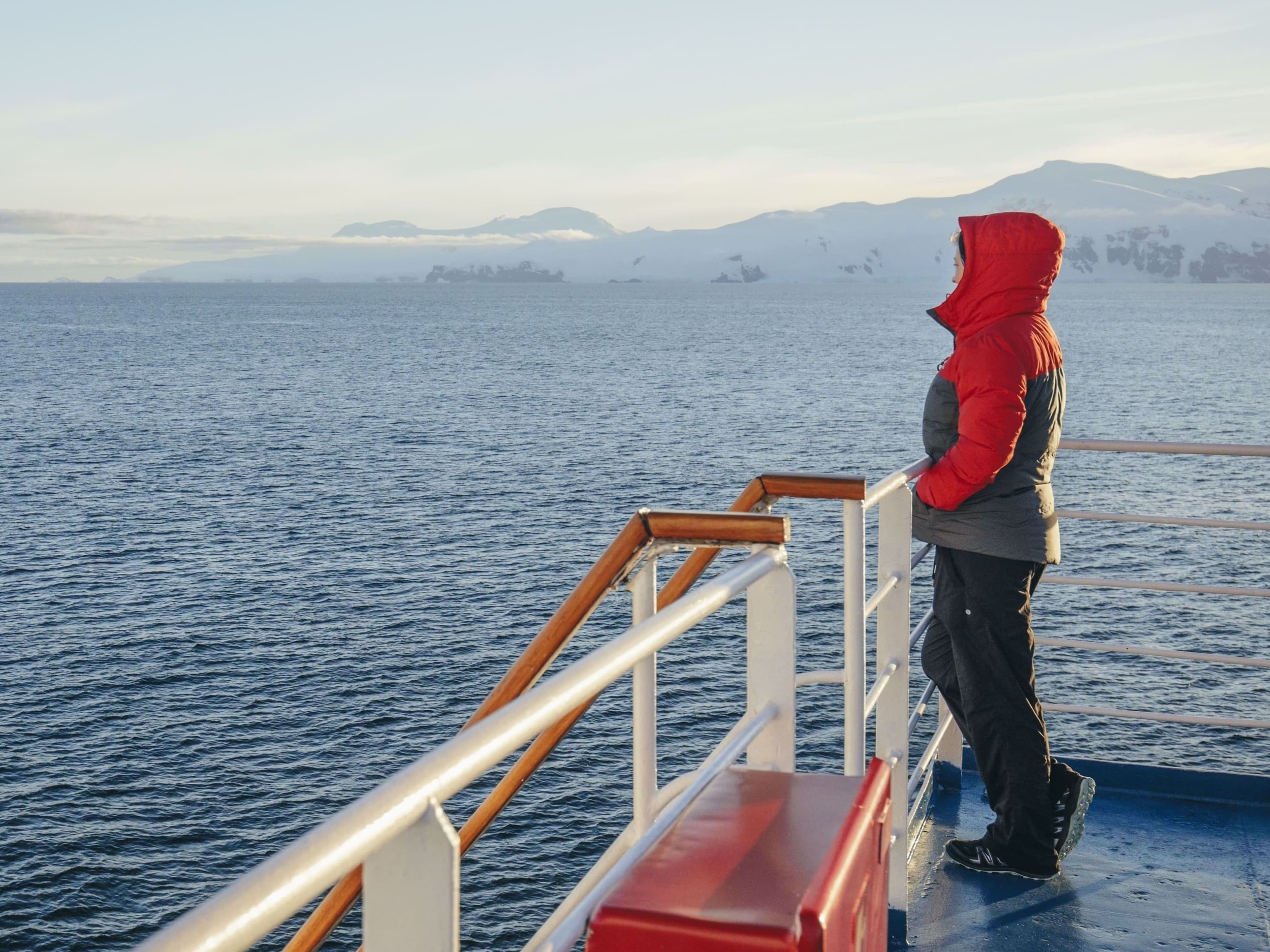
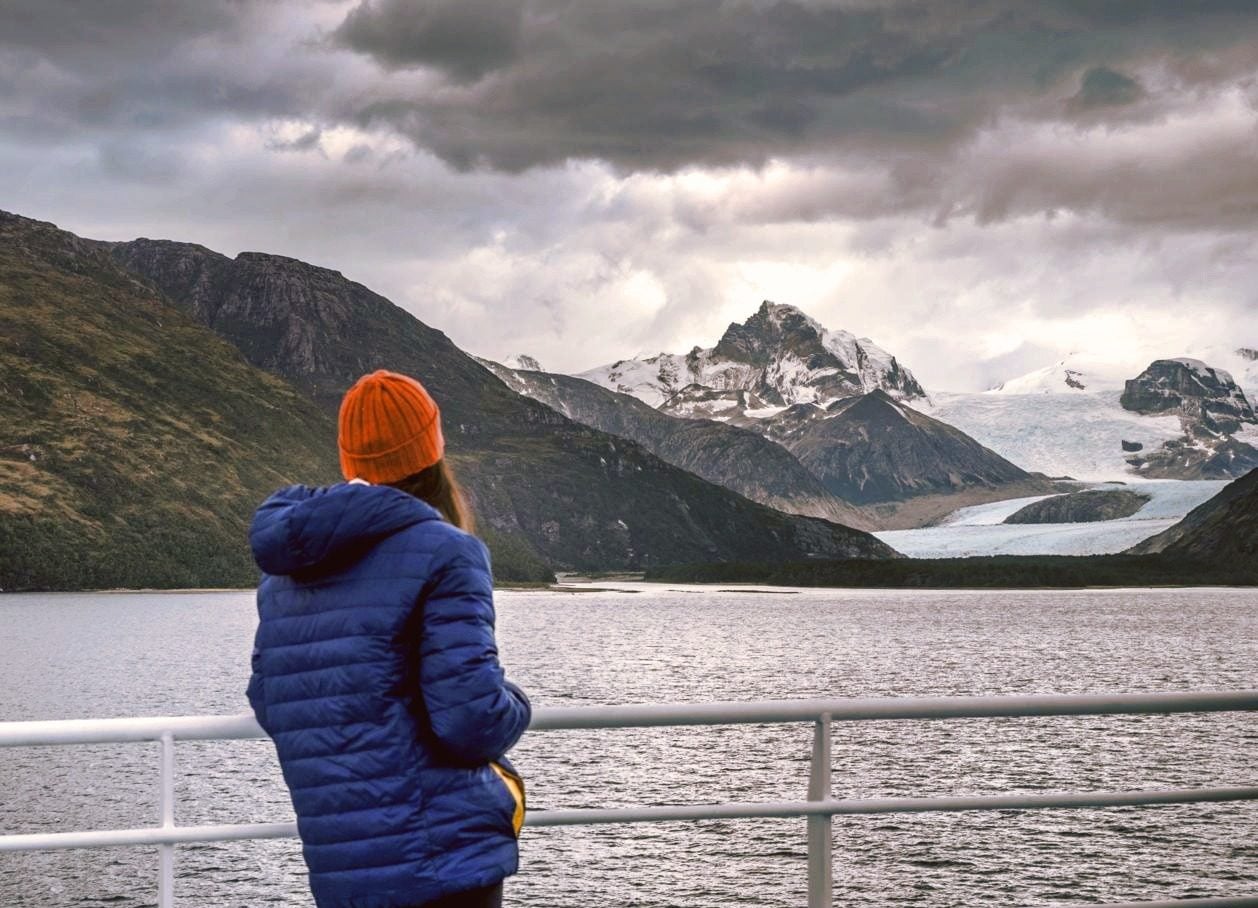
You may also spend time on deck observing seabirds that often follow the vessel, as the environment gradually shifts toward colder, more remote conditions.
At Sea
South Georgia
South Georgia
Wildlife & Landscapes
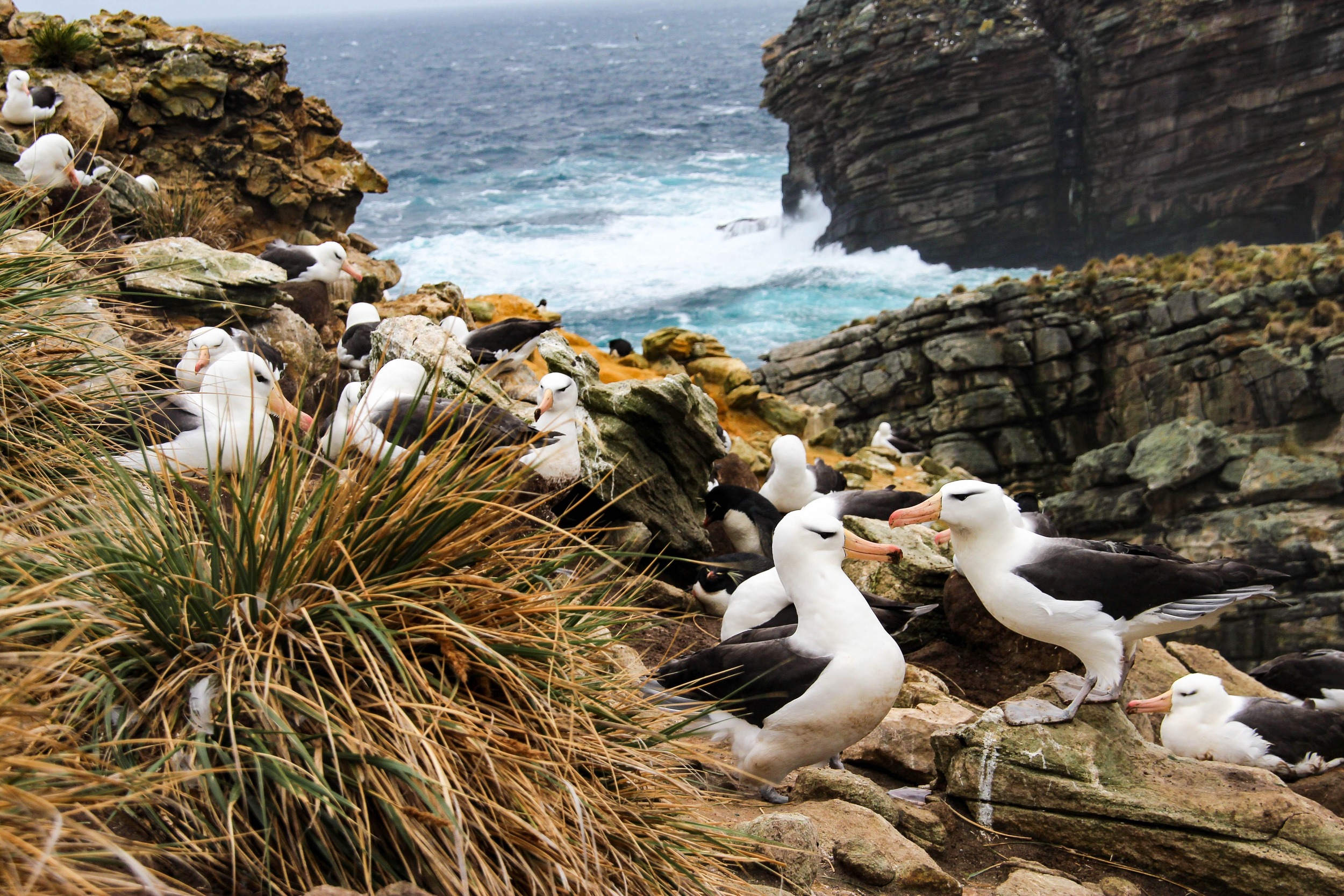
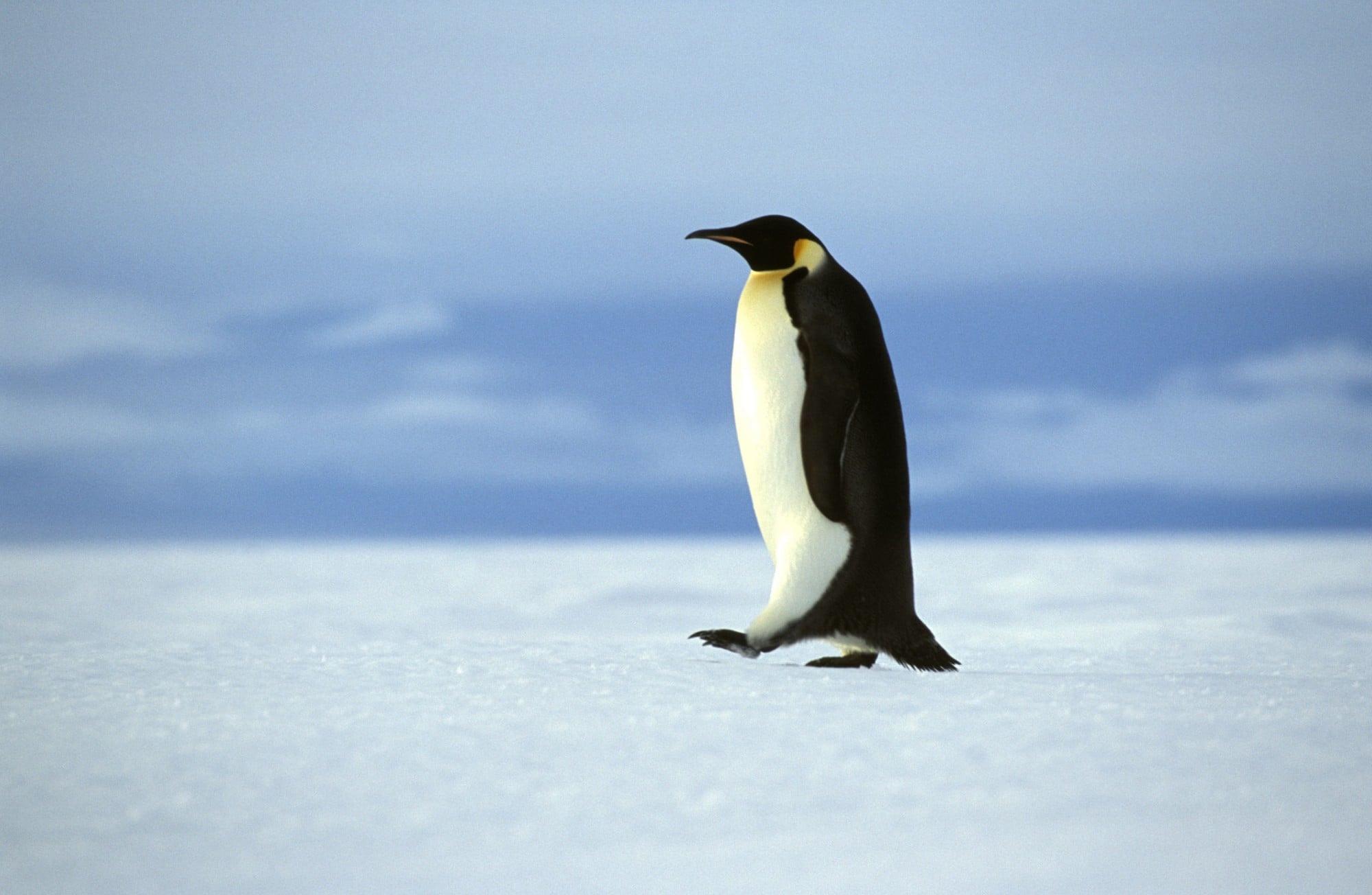
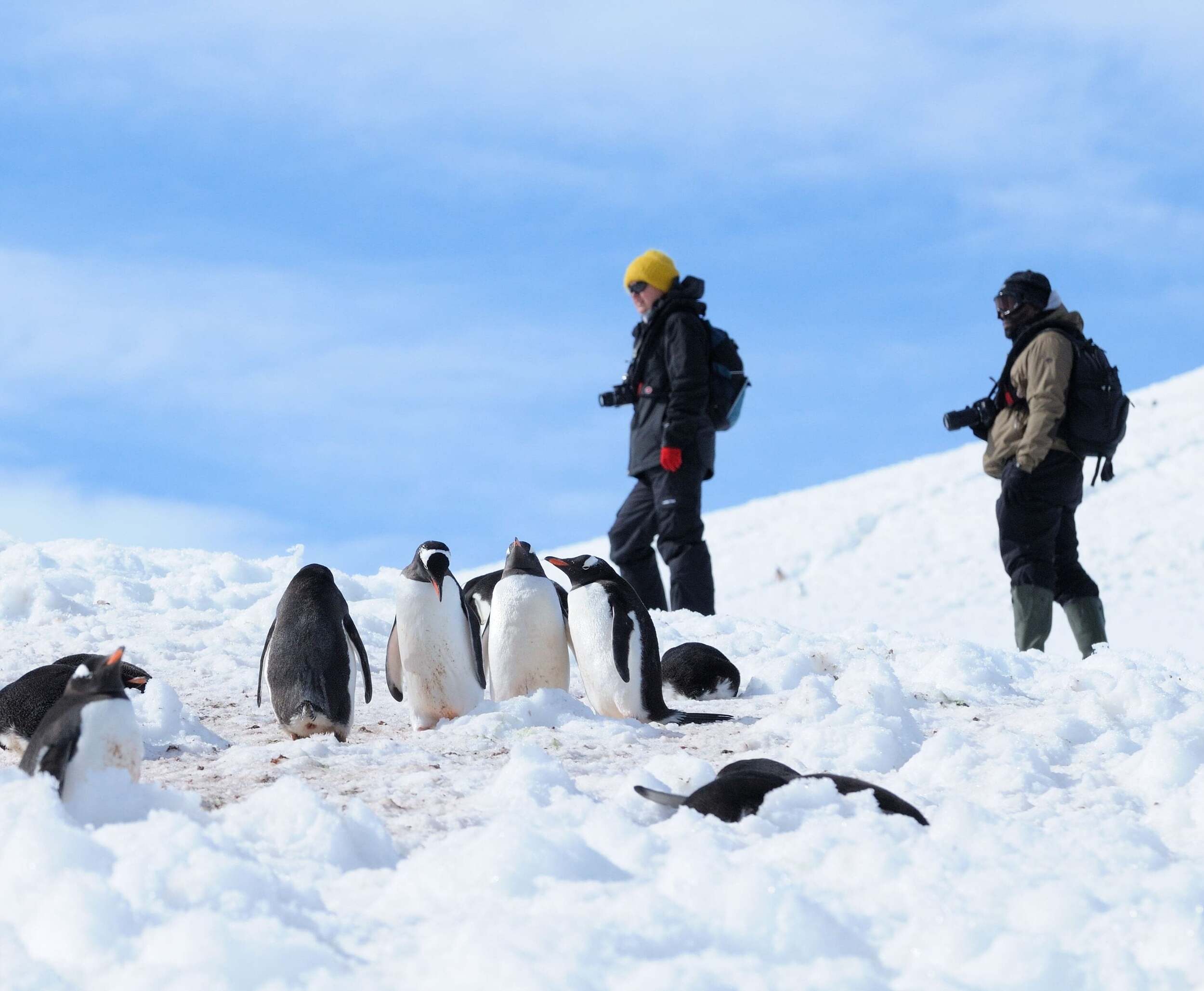
Today, you may land at Fortuna Bay, one of South Georgia’s most scenic and wildlife-rich areas. This bay is known for its large colonies of king penguins, often accompanied by their brown-feathered chicks, as well as populations of fur seals and elephant seals.
Surrounded by rugged mountains, glaciers, and open tundra, the landscape offers excellent opportunities for photography and observation.
Shackleton’s Legacy
If weather conditions allow, you may follow part of the historic route known as the “Shackleton Traverse.” This path retraces a section of Sir Ernest Shackleton’s journey across South Georgia in his attempt to reach help after his expedition was stranded.
The route provides insight into one of the most remarkable survival stories in polar exploration, while also offering sweeping views of the surrounding terrain.
South Georgia
King Penguin Colonies
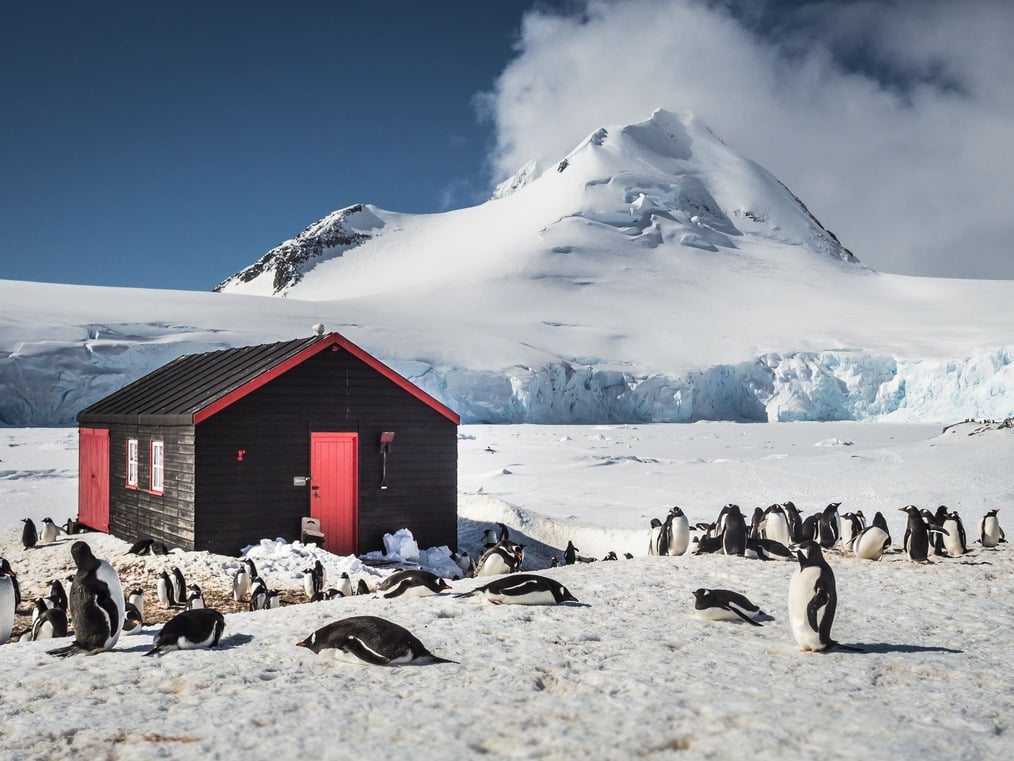
Today, you may visit Gold Harbour, one of South Georgia’s most impressive wildlife sites. This area is home to one of the largest king penguin colonies in the region, where thousands of breeding pairs gather along the shoreline.
Wildlife & Environment
The landscape combines open grassy plains with wetland areas, creating an ideal habitat for penguins as well as fur seals and elephant seals. The density of wildlife here offers one of the most striking scenes of the expedition.
Seal Colonies
Gold Harbour is also known for its large populations of elephant seals, particularly young individuals that can often be seen resting along the beaches.
This stop provides a close look at the scale and diversity of wildlife that defines South Georgia.
South Georgia
At Sea
Open Sea Navigation
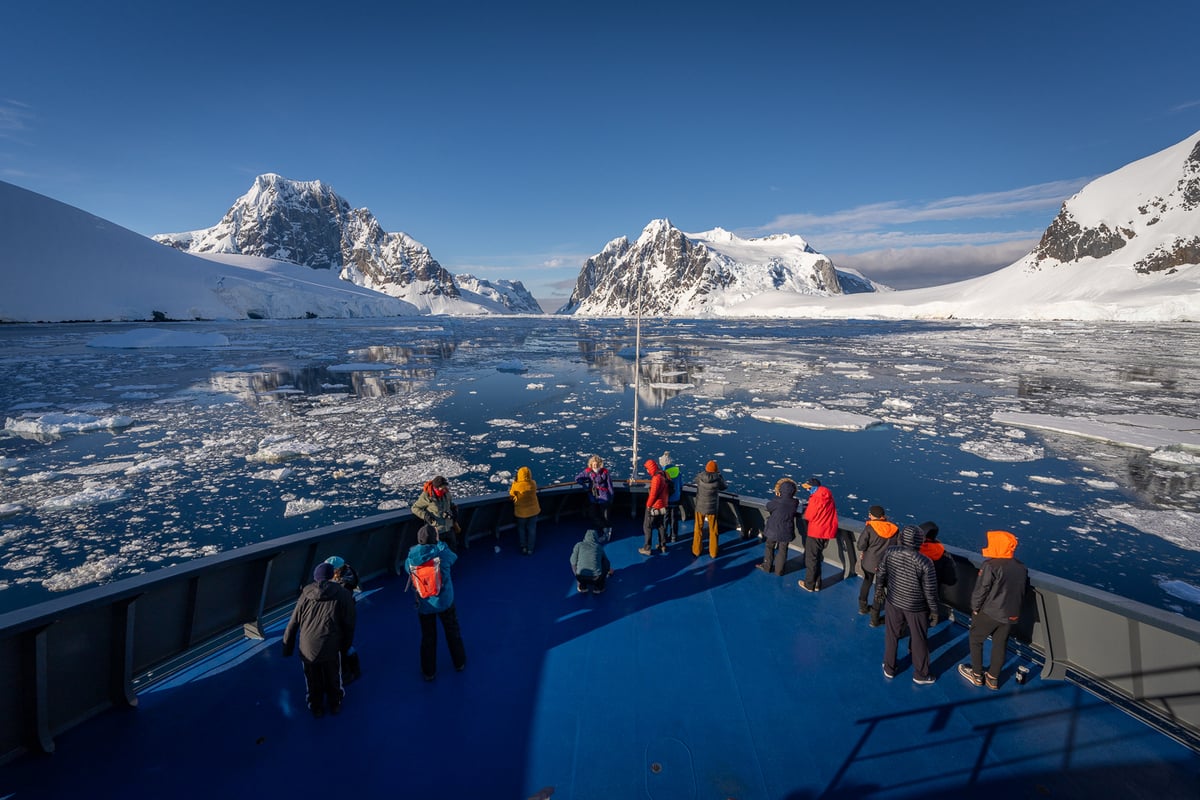
Today, you will spend the day sailing across the Southern Ocean as you continue toward the South Orkney Islands. This stretch of the journey offers a true sense of the vast and remote environment of the region.
Onboard Experience
Take advantage of your time on board to relax, attend talks led by the expedition team, or observe seabirds and marine life from the deck.
By the following day, you will reach the South Orkney Islands, continuing your exploration deeper into Antarctic waters.
South Orkney Islands
Arrival in the South Orkneys
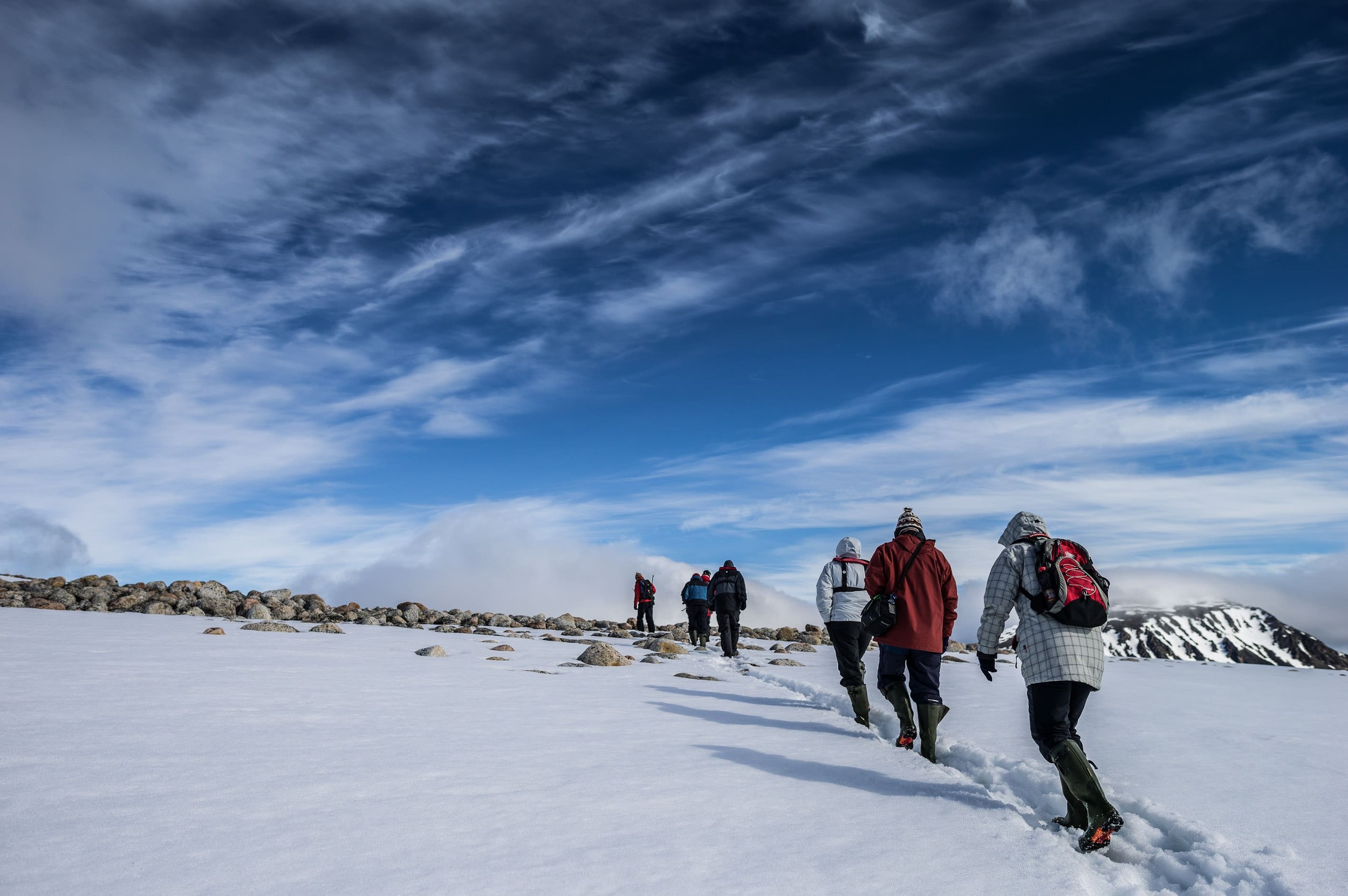
Today, you will reach the South Orkney Islands, a remote archipelago located in the Southern Ocean. Weather and sea conditions will determine the day’s activities.
Orcadas Scientific Station
If conditions allow, you may land at Orcadas Station, Argentina’s research base on the islands. Here, you will have the opportunity to learn about life and scientific work in one of the most isolated environments on Earth, as well as observe the surrounding glaciers and landscapes.
Alternative Landing
If disembarkation at the station is not possible, the expedition may continue to another site such as Shingle Cove on Coronation Island, offering further opportunities to explore the area.
This stop provides insight into both Antarctic research and the unique environment of the South Orkney Islands.
At Sea
Final Approach to the Antarctic Peninsula
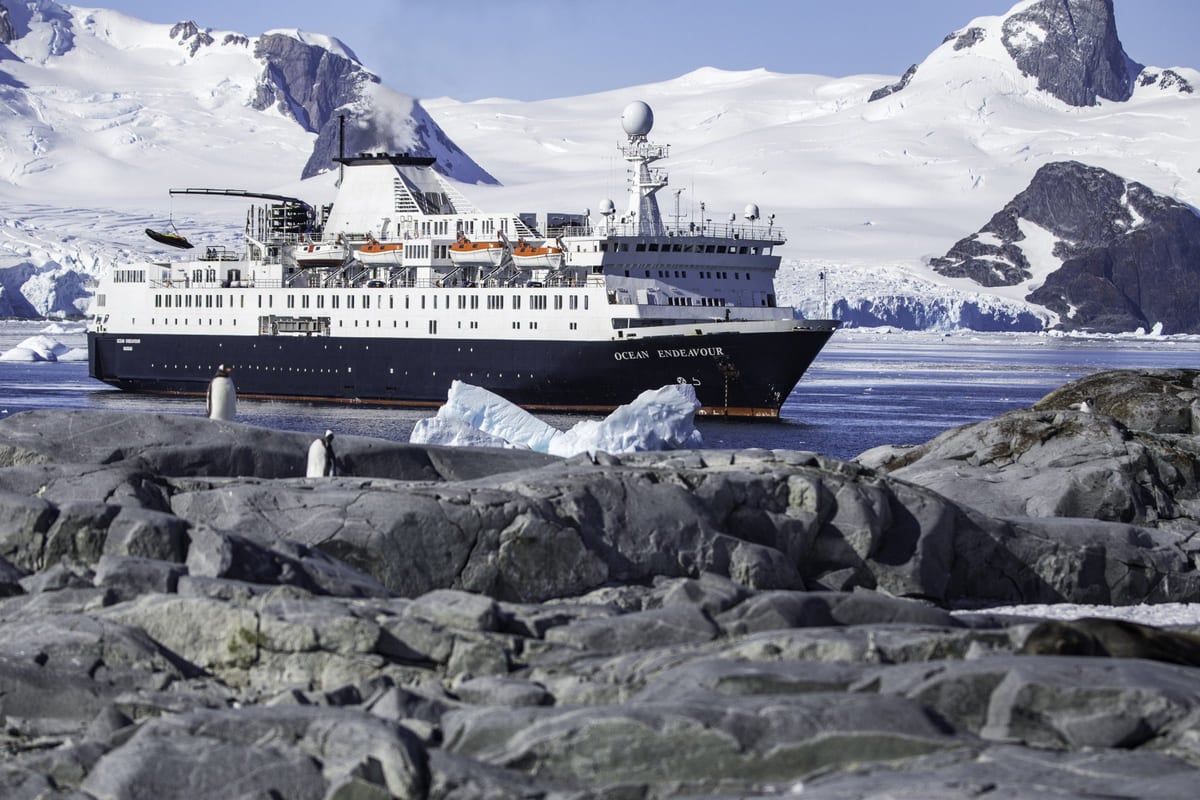
Today, you will continue sailing south toward the Antarctic Peninsula, marking the final stretch before reaching the continent.
Day at Sea
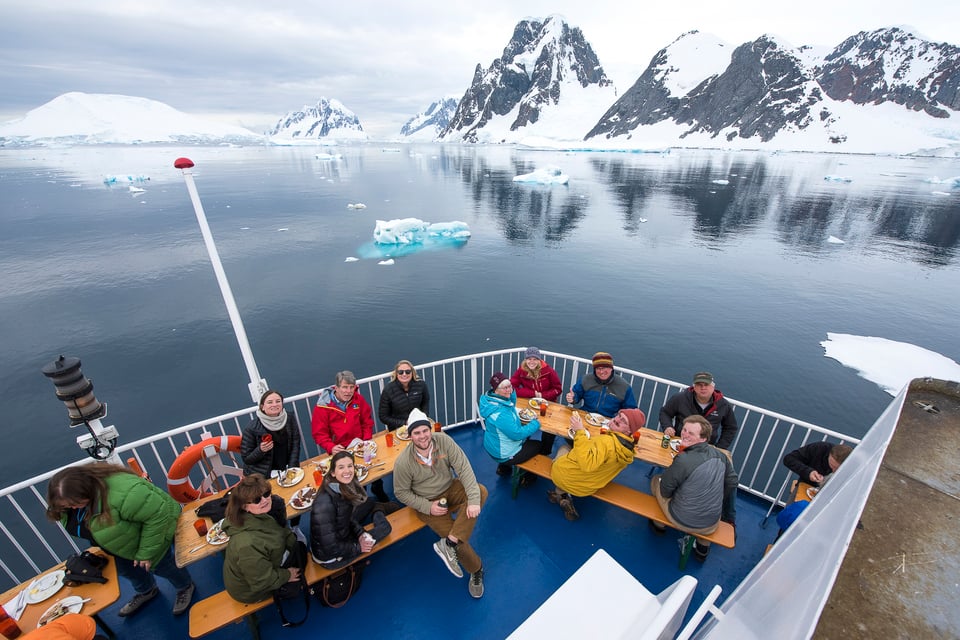
You will spend the day on board, crossing increasingly remote waters as the environment begins to change. This is a good time to relax, enjoy the ship’s facilities, or attend briefings from the expedition team in preparation for the upcoming landings.
If weather conditions allow, the first Antarctic activities may begin the following afternoon, as you approach the icy landscapes ahead.
Antarctica
Antarctica
Exploring the Weddell Sea
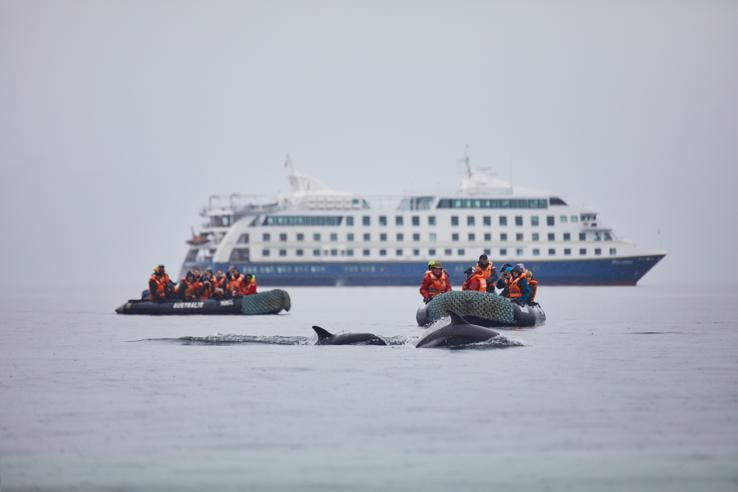
Today’s route depends on ice and weather conditions. If access to the Weddell Sea is possible, you will continue navigating this remote and striking region, known for its vast ice fields and dramatic scenery.
Alternative Routes
If conditions do not allow entry, the expedition will adjust course toward areas such as Elephant Island or the Bransfield Strait, sailing between the South Shetland Islands and the Antarctic Peninsula.
These routes also offer remarkable landscapes, with potential navigation through channels like the Gerlache Strait, known for its glaciers and wildlife.
Continuing the Exploration
Whichever route is taken, the journey will continue toward the Antarctic Sound, allowing you to further explore the diverse environments of the region.
Antarctica
Neko Harbor & Glacial Landscapes
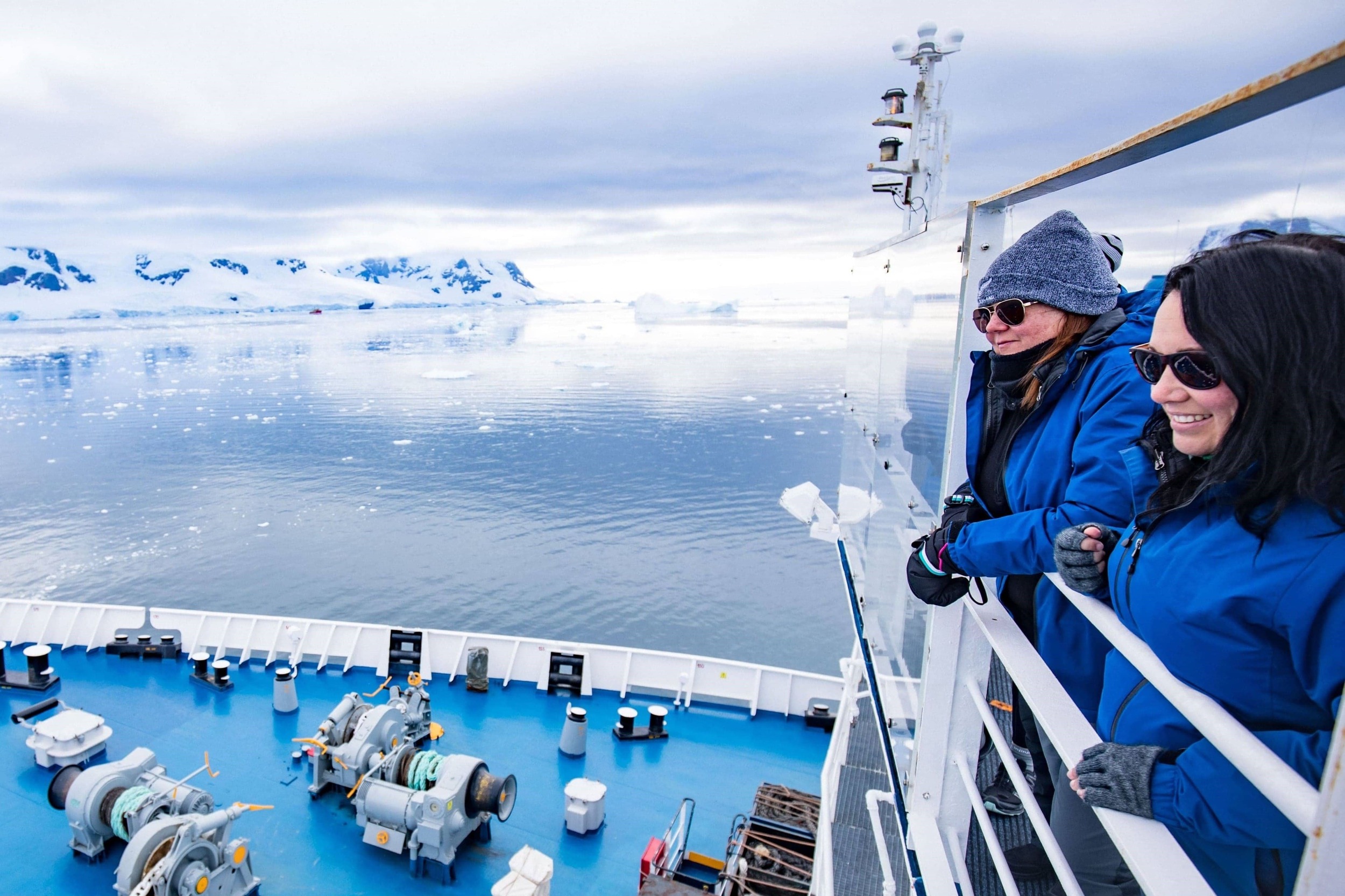
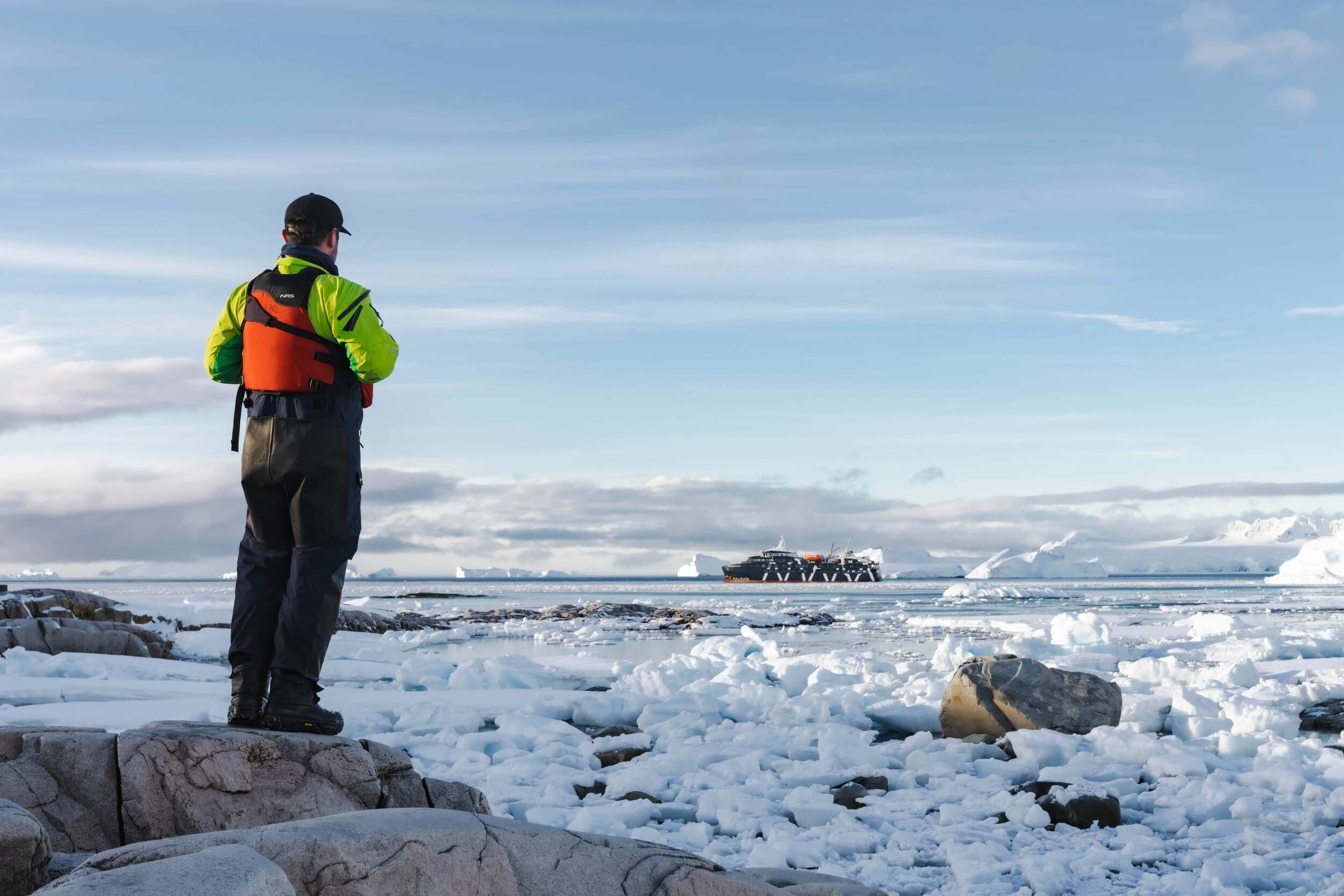
Today marks your last day exploring Antarctica. Depending on conditions, you may visit Neko Harbor, one of the landing sites on the Antarctic continent, known for its dramatic scenery and active glaciers.
Here, you can observe the calving of ice into the water and take in the surrounding peaks and ice-covered terrain.
Wildlife Encounters
The area is also home to gentoo penguins, often seen nesting on the slopes, as well as Weddell and fur seals resting along the shoreline.
This final day offers a last opportunity to experience Antarctica’s landscapes and wildlife before beginning the journey north.
At Sea
At Sea
Included
- 18-night accommodation in an Antarctic vessel.
- All meals.
- All shore excursions and Zodiac navigation.
- Free use of special gear (rubber shoes and snowshoes)
- Program of lectures by naturalists and experienced expedition staff.
- Tour guide.
- Transfer mentioned.
- All taxes and port charges.
- Pre-departure material.
Not Included
- Meals ashore.
- Any airfare (scheduled or charter flights).
- Pre- and post-land arrangements.
- Baggage cancellation.
- Travel / Medical Insurance – Follow this link to get a free quote (only available for U.S. Travelers)
- Passport and visa expenses.
- Personal expenses like laundry, bar, telecommunication charges, etc.
- Excess baggage charges and all items of a personal nature (laundry, bar, beverage charges, and telecommunication charges).
- Government arrival and departure taxes.
- Gratuities.